Share Your Journey: Create Audiobooks with Us
Audiobooks have transformed the way people enjoy stories, learn new skills, and access information. They offer a hands-free, immersive experience that fits into busy lifestyles. If you have a story to tell or knowledge to share, creating an audiobook can be a powerful way to reach an audience. This post will guide you through the process of creating audiobooks, share practical tips, and invite you to join a community of creators who bring stories to life with their voices.

Why Create an Audiobook?
Audiobooks are growing in popularity worldwide. According to recent studies, the audiobook market has seen double-digit growth annually, with millions of listeners tuning in every day. People listen to audiobooks during commutes, workouts, or while relaxing at home. This trend opens opportunities for authors, educators, and storytellers to connect with audiences in a new way.
Creating an audiobook allows you to:
Reach a wider audience, including those with visual impairments or reading difficulties
Offer your content in a convenient format that fits modern lifestyles
Build a personal connection through your voice and storytelling style
Generate additional income or promote your brand
If you have ever thought about turning your written work into an audiobook, now is the perfect time to start.
Getting Started with Audiobook Creation
Starting an audiobook project might seem overwhelming, but breaking it down into clear steps makes it manageable. Here’s how you can begin:
Choose Your Material
Select the book or content you want to turn into an audiobook. It could be a novel, a self-help guide, a collection of essays, or educational material. Make sure you have the rights to produce an audiobook version if you are not the original author.
Prepare Your Script
Audiobook narration differs from reading silently. You need to adapt your text for listening. This means:
Simplifying complex sentences
Adding natural pauses and emphasis
Removing visual references that don’t translate well to audio
Reading your script aloud during editing helps identify awkward phrasing.
Set Up Your Recording Space
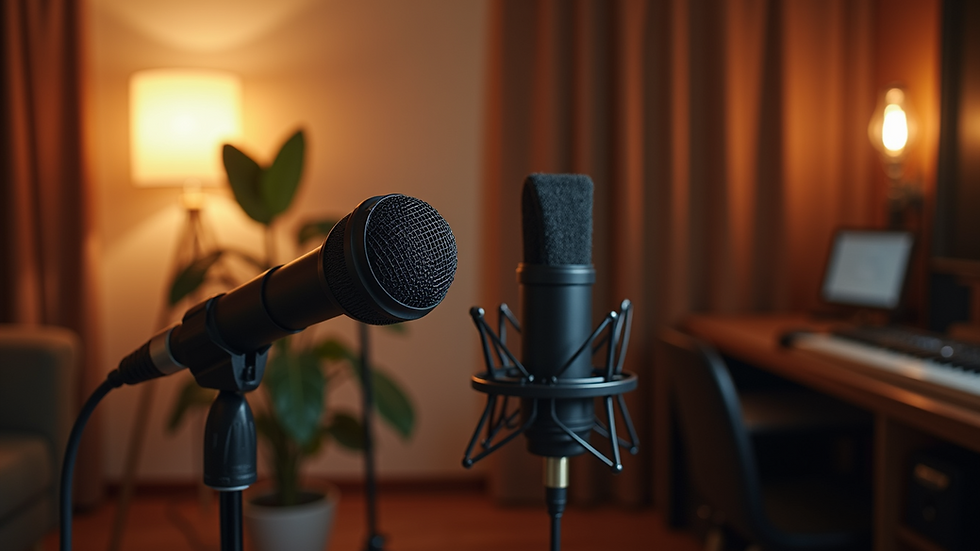
You don’t need a professional studio to start, but a quiet, echo-free space is essential. Consider:
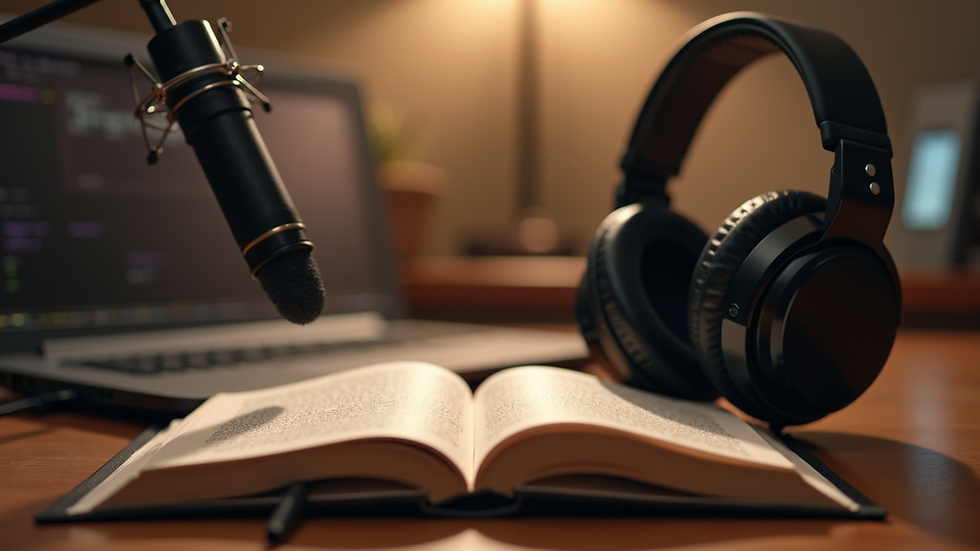
Using a good quality microphone and headphones
Soundproofing with blankets, foam panels, or curtains
Minimizing background noise like fans, traffic, or pets
Practice Your Narration
Your voice is the main tool for storytelling. Practice reading with clear pronunciation, varied tone, and natural pacing. Record short samples and listen back to improve.
Recording Your Audiobook
Recording is the most time-intensive part but also the most rewarding. Here are some tips to make it smoother:
Record in short sessions to avoid vocal strain
Keep water nearby to stay hydrated
Use audio editing software to remove mistakes and background noise
Save your work frequently and back up files
If you prefer, you can hire a professional narrator or voice actor to bring your story to life.
Editing and Producing Your Audiobook
Editing transforms raw recordings into a polished product. This step includes:
Cutting out errors, long pauses, and breaths
Balancing volume levels and sound quality
Adding opening and closing credits or music if desired
Several user-friendly tools like Audacity or GarageBand can help with editing. For more advanced production, consider professional software or services.
Publishing and Sharing Your Audiobook
Once your audiobook is ready, it’s time to share it with listeners. You can:
Upload it to popular platforms like Audible, Apple Books, or Google Play
Share it on your website or blog
Promote it through newsletters and social media
Make sure your audiobook meets the technical requirements of each platform, such as file format and length.
Join Our Community of Audiobook Creators
Creating an audiobook is a journey best shared with others. We invite you to join our community where you can:
Exchange tips and feedback with fellow creators
Access resources and tutorials
Participate in challenges and projects
Celebrate your finished audiobooks with an audience that appreciates your work
Sharing your journey not only motivates you but inspires others to start their own.
Real-Life Example: From Manuscript to Audiobook
Consider the story of Sarah, an independent author who turned her novel into an audiobook. She started by recording in her home office with a simple microphone. After several practice sessions, she recorded her chapters over two weeks. Sarah edited the audio herself using free software and uploaded the final product to multiple platforms. Within months, her audiobook reached thousands of listeners, expanding her readership and opening new opportunities for speaking engagements.
Sarah’s experience shows that with dedication and the right approach, anyone can create an audiobook that resonates.
Tips for Success in Audiobook Creation
Be patient: Recording and editing take time, but the results are worth it.
Stay consistent: Set a schedule for recording sessions to maintain momentum.
Listen to other audiobooks: Learn from professional narrators and styles.
Invest in quality equipment: Clear sound improves listener experience.
Engage with your audience: Feedback helps improve future projects.
Final Thoughts and Next Steps
Creating an audiobook is a rewarding way to share your story or knowledge. It connects you with listeners in a personal and accessible format. Whether you are an author, educator, or storyteller, the tools and community are available to support your journey.
Start by selecting your material and setting up a quiet space. Practice your narration and record in manageable sessions. Edit carefully and publish on platforms where your audience listens. Most importantly, share your progress and join others who are passionate about audiobooks.
Your voice matters. Bring your story to life and invite others to listen.
Ready to start your audiobook journey? Join us today and create something that lasts.
Comments