Transform Your Life Story into an Audiobook
Your life story holds unique experiences, lessons, and memories that deserve to be shared. Turning your personal journey into an audiobook offers a powerful way to preserve your voice and connect with others. Audiobooks bring stories to life through sound, making them accessible and engaging for listeners everywhere. If you have ever thought about sharing your story but felt unsure where to start, this guide will walk you through the process step-by-step.
Why Choose an Audiobook for Your Life Story
Stories told aloud create a special connection. When you listen to someone’s voice, you pick up on emotions, pauses, and nuances that text alone cannot convey. An audiobook allows your personality and tone to shine through, making your story more vivid and relatable.
Accessibility: People can listen while driving, exercising, or relaxing.
Emotional impact: Hearing your voice adds authenticity and warmth.
Preservation: Your story is saved in your own words and voice for future generations.
Many people hesitate to write a book because of the time and effort involved. Recording an audiobook can be a more approachable way to share your story, especially if you enjoy speaking or storytelling.
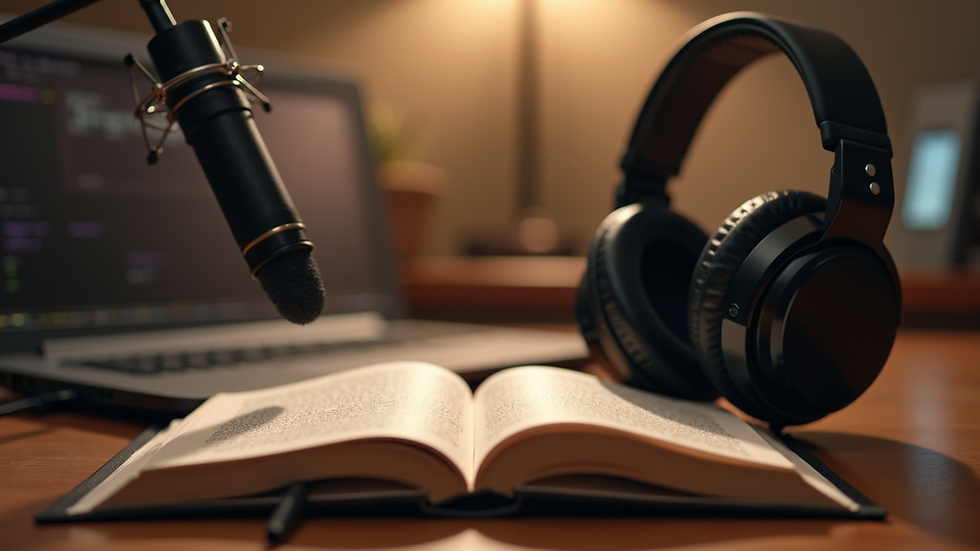
Planning Your Audiobook Story
Before you start recording, it’s important to plan your story carefully. This will help you stay organized and ensure your audiobook flows smoothly.
Identify Your Core Message
Think about what you want listeners to take away from your story. Is it a lesson you learned, a challenge you overcame, or a unique perspective on life? Defining your core message will guide your storytelling and keep your narrative focused.
Outline Key Life Events
Create a timeline or list of important moments you want to include. These could be:
Childhood memories
Career milestones
Personal challenges and triumphs
Relationships and family stories
Moments of change or growth
Organizing your story into chapters or sections makes it easier to record and helps listeners follow along.
Decide on Your Tone and Style
Your audiobook can be conversational, reflective, humorous, or serious. Choose a tone that feels natural to you and fits the story you want to tell. Remember, your voice is your most powerful tool.
Preparing to Record Your Audiobook
Recording an audiobook requires some preparation to ensure good sound quality and a comfortable experience.
Choose the Right Equipment
You don’t need expensive gear to get started, but a few basics help:
Microphone: A USB condenser microphone offers clear sound.
Headphones: Use closed-back headphones to monitor your recording.
Quiet Space: Find a room with minimal background noise and echo.
Practice Reading Aloud
Before recording, read your script aloud several times. This helps you get comfortable with the flow and identify tricky words or phrases. Practice varying your pace and tone to keep listeners engaged.
Set Up Your Recording Environment
Make sure your recording space is free from interruptions. Turn off fans, close windows, and let others know you are recording. Position your microphone about 6-8 inches from your mouth to avoid popping sounds.
Recording Your Life Story Audiobook
When you’re ready, start recording your story in sections or chapters. This approach makes it easier to manage mistakes and re-record parts if needed.
Tips for a Smooth Recording Session
Speak clearly and at a steady pace.
Take breaks to avoid fatigue.
Use natural pauses to emphasize important points.
Don’t worry about small mistakes; you can edit them later.
Use Recording Software
Free or affordable software like Audacity or GarageBand works well for beginners. These programs allow you to record, edit, and export your audiobook files.
Editing and Enhancing Your Audiobook
Editing is where you polish your recording and prepare it for listeners.
Remove Mistakes and Background Noise
Cut out any stumbles, long pauses, or background sounds. Use noise reduction tools to improve clarity.
Add Music or Sound Effects (Optional)
Some audiobooks include gentle background music or sound effects to enhance the mood. If you choose to add these, keep them subtle so they don’t distract from your voice.
Format Your Audio Files
Save your audiobook in popular formats like MP3 or WAV. Make sure the audio quality is high enough for clear listening but not so large that files become difficult to share.
Sharing Your Audiobook with the World
Once your audiobook is ready, you can share it in several ways.
Self-Publishing Platforms
Sites like Audible, ACX, or Findaway Voices allow you to upload and distribute your audiobook to a wide audience. These platforms often provide guidance on formatting and marketing.
Personal Website or Blog
If you have a website, you can offer your audiobook as a download or stream it directly. This option gives you full control over how your story is presented.
Social Sharing and Community Groups
Share your audiobook with friends, family, or groups interested in personal stories. Feedback from listeners can be rewarding and help you improve future projects.
Benefits of Sharing Your Life Story as an Audiobook
Creating an audiobook from your life story offers more than just a creative outlet. It can:
Inspire others who face similar challenges.
Preserve family history in a personal and engaging format.
Build confidence in your storytelling and communication skills.
Create a lasting legacy that can be passed down through generations.
Your voice carries your story in a way no written words can match. By sharing it, you invite others to connect with your experiences and find meaning in your journey.
Transforming your life story into an audiobook is a rewarding project that captures your unique voice and memories. With thoughtful planning, simple equipment, and a bit of practice, you can create a compelling audiobook that resonates with listeners. Start today by outlining your story and setting up your recording space. Your story deserves to be heard.

Comments